
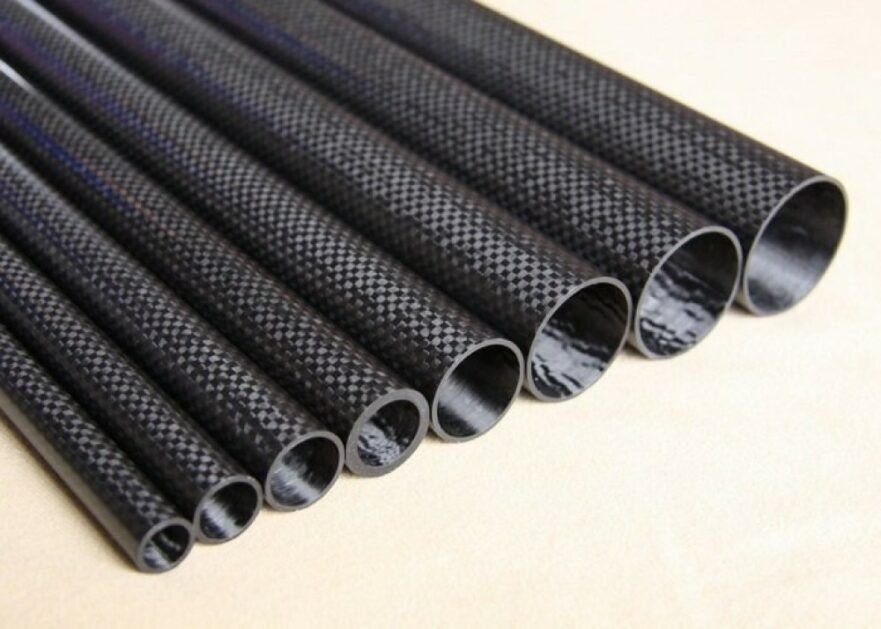
If you look at the description of a padel racket, you have probably noticed a number followed by “K”: 3K, 12K, 18K, 24K. At first sight it looks complicated, but in fact it is a technical detail related to the density of the carbon fibre used on the face of the racket.
What is carbon and why does it matter?
Carbon is a material widely used in padel rackets because:
- It is strong (it doesn’t deform easily)
- It is light (it reduces the weight of the racket)
- It can be made with different degrees of stiffness
By comparison:
- Fibreglass → more flexible and softer, more comfortable but less durable.
- Carbon → stiffer, more precise and more durable.
What do 3K, 12K, 18K and 24K mean?
The number shows how many carbon fibres are woven into one thread:
- 3K = 3,000 fibres
- 12K = 12,000 fibres
- 18K = 18,000 fibres
- 24K = 24,000 fibres
The higher the number, the thicker the thread and the stiffer the weave on the face of the racket.
How does it feel on court?
Low carbon (3K – 6K)
- Flexible and forgiving
- Absorbs shock well → more comfort for your arm
- Allows better control of the ball and a natural feel on impact
- Offers precision and you feel the ball more clearly on the face of the racket
- Recommended for beginners and players who focus on precision and comfort
Medium carbon (12K – 15K)
- A balance of stiffness and flexibility
- The ball leaves faster than with 3K, but the racket is still controllable
- A good mix of control and power
- Recommended for intermediate or moderately advanced players
High carbon (18K – 24K)
- Very stiff → the ball “explodes” off the racket
- Maximum power and stability on smashes
- Less comfort and almost zero “forgiveness” on mishits
- Recommended only for advanced or professional players looking for attack and precision
How to choose correctly?
- If you are a beginner or have arm problems → choose 3K or fibreglass rackets.
- If you are an intermediate player and want a mix of comfort and power → 12K is the most balanced.
- If you are an advanced player looking to attack → go for 18K or even 24K, but be ready for a harder, more demanding racket.
In short: the K number does not mean “better” or “more expensive”, it means stiffer. The higher you go, the more stability and power you gain, but you lose comfort and ease of ball control, because the racket is less forgiving of mistakes.