
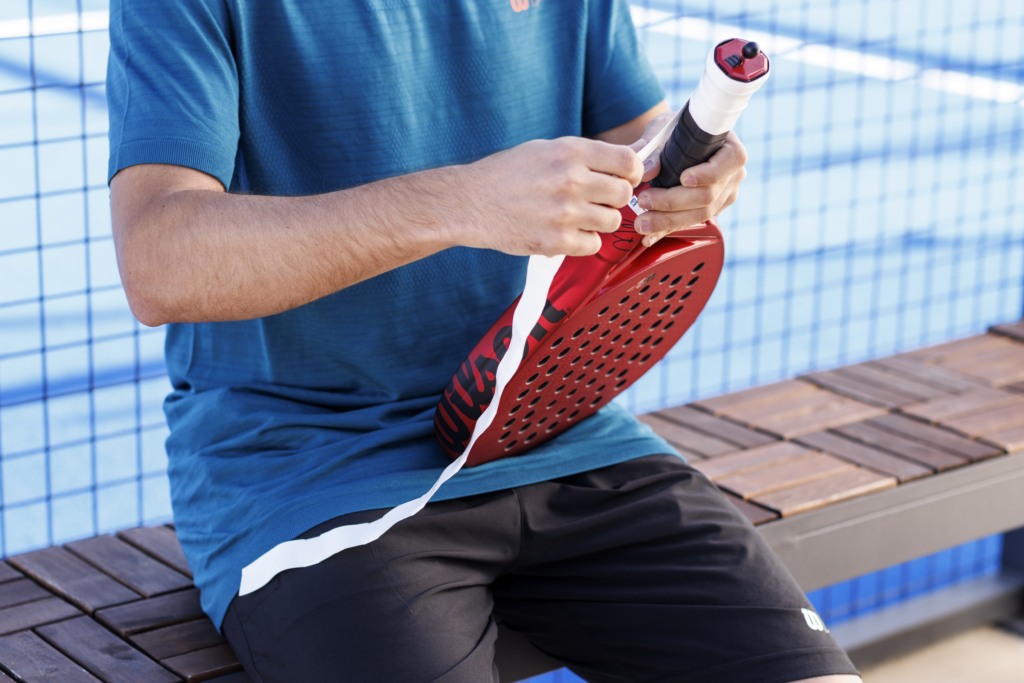
The grip of a padel racket is one of the most underrated parts of your equipment. Many players invest in expensive rackets but play for months with an unsuitable grip that is slippery or too thin, without realising how much it affects their game.
A correctly chosen grip means:
- more control
- fewer vibrations
- less pain in the hand, elbow or forearm
- more confidence with every shot
In this article we explain how to choose the right padel grip, how many overgrips to use, when to change them and what solutions exist for excessive sweating – including practical experience from players, not just what manufacturers say.
Why is the padel racket grip so important?
The main role of the grip is simple: to stop the racket slipping out of your hand and to give you control. But things go much further than that.
A grip that is too thin:
- transmits more vibrations
- puts excessive strain on your fingers
- can lead to pain or injury
A grip that is too thick:
- reduces the finesse of your shots
- reduces wrist mobility
- can make it harder to control fast shots such as volleys and the bandeja
Pros vs amateurs – an essential difference
Professional players usually prefer a thinner grip, so they can feel the racket and its vibrations better. But:
- they change their overgrips very often (usually every match)
- they have impeccable technique
An amateur player does NOT have the same conditions and, in most cases, a slightly thicker grip is safer and more comfortable.
The racket’s base grip: what do you need to know about it?
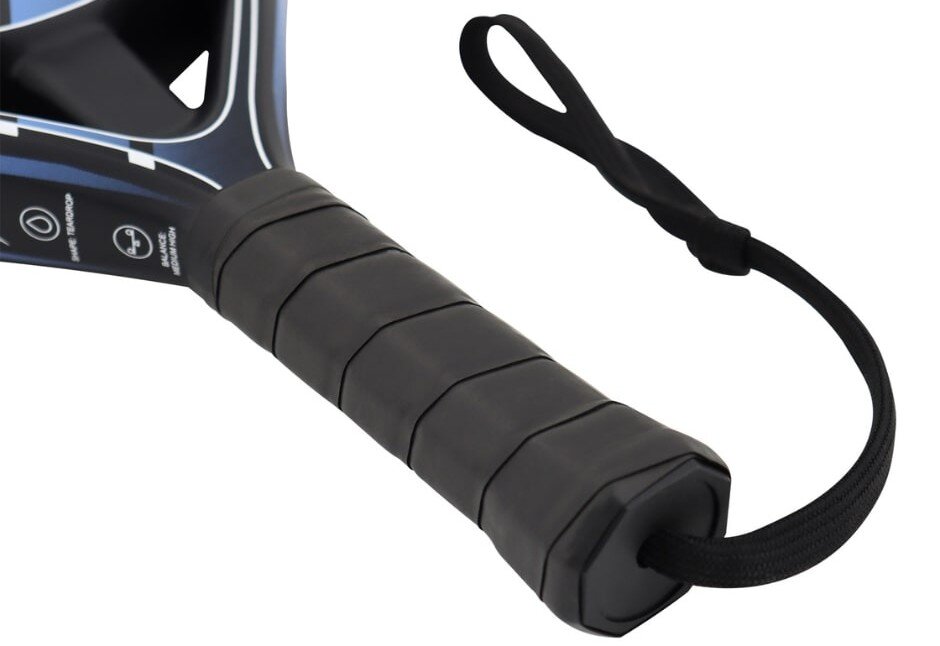
Most rackets come from the factory with a base grip (replacement grip). In practice:
- it is often too thin
- it is often already “aged” (hardened over time, even if the racket is new)
- it does not offer the ideal thickness for most players
Important: this has nothing to do with the quality of the racket. It happens often and is normal.
In more than 90% of cases, the right solution is: keep the base grip (or replace it if it is badly worn) and add overgrips until you reach the right thickness.
Overgrips: role, fitting and common mistakes
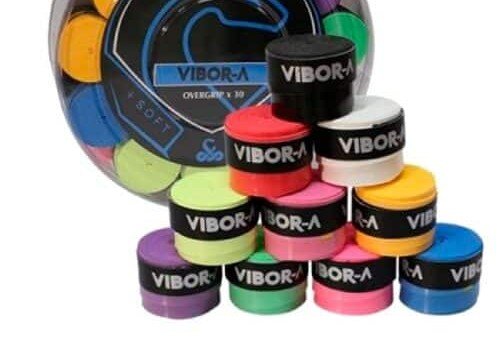
The overgrip is the thin layer that goes over the base grip and that:
- controls the final thickness
- affects the grip
- is changed frequently
How to fit an overgrip correctly
- start from the bottom and work upwards
- keep a constant tension
- the recommended overlap is about 10-30%, with a maximum of 50%
- a larger overlap needlessly thickens the handle, makes the grip too “soft” and reduces control.
Common mistake: using very long overgrips (tennis ones, for example) and overlapping them too much. The result:
- loss of control
- a grip that is too thick
- a feel that is too “soft”
How many overgrips should you use in padel?
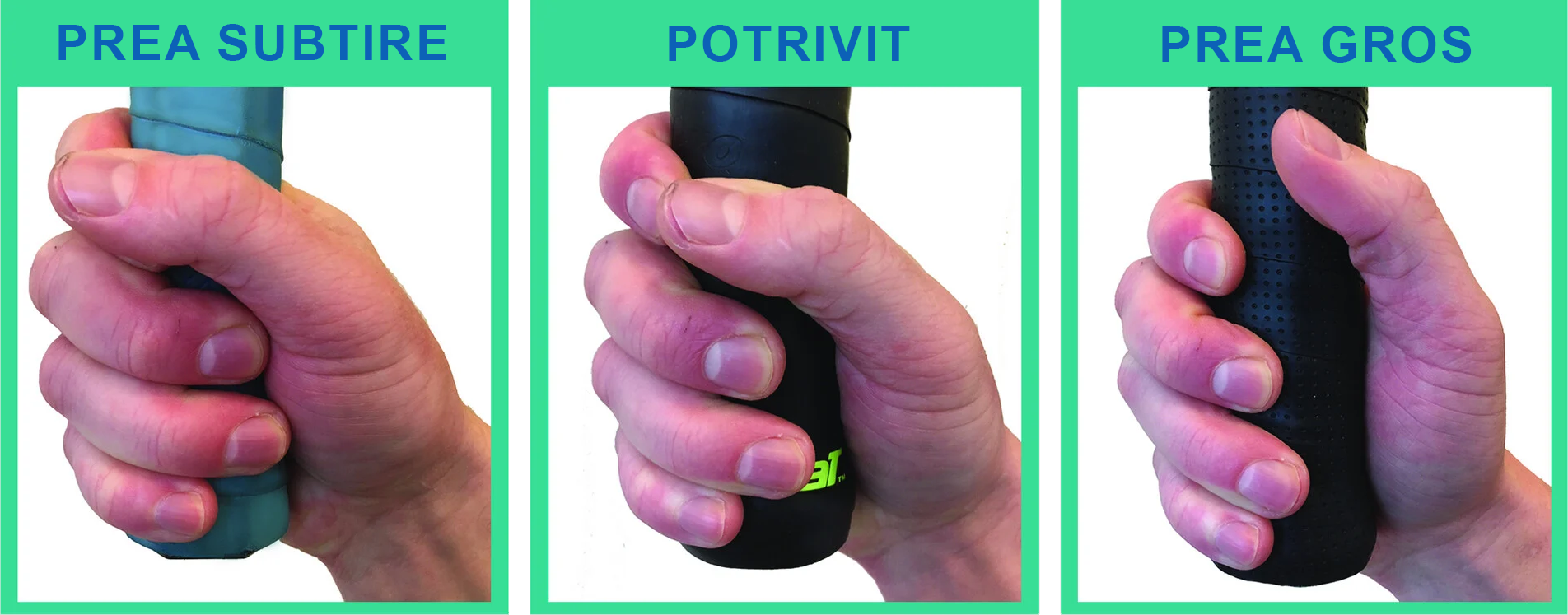
From practical experience (and what most coaches recommend), the realistic range is 1–3 overgrips, no more.
The simple thickness test
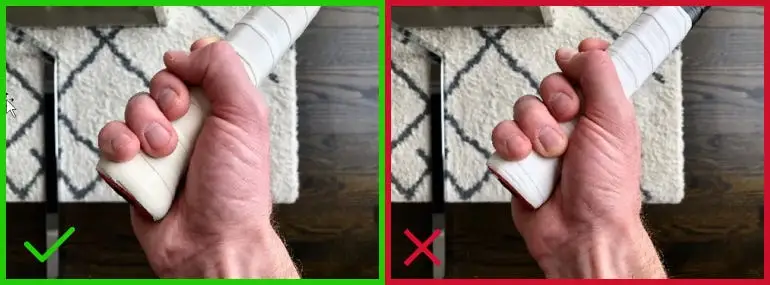
When you hold the racket in your hand:
- there should be about 2–5 mm between your fingertips and the base of your palm
- if your fingers dig into your palm → the grip is too thin
- if you can’t close your hand comfortably → the grip is too thick
Practical recommendation
- 1 overgrip – most players
- 2 overgrips – longer fingers
- 3 overgrips – almost never
If you feel you need a 3rd overgrip, the better solution is to use a Hesacore.
Hesacore: when it helps and when it doesn’t
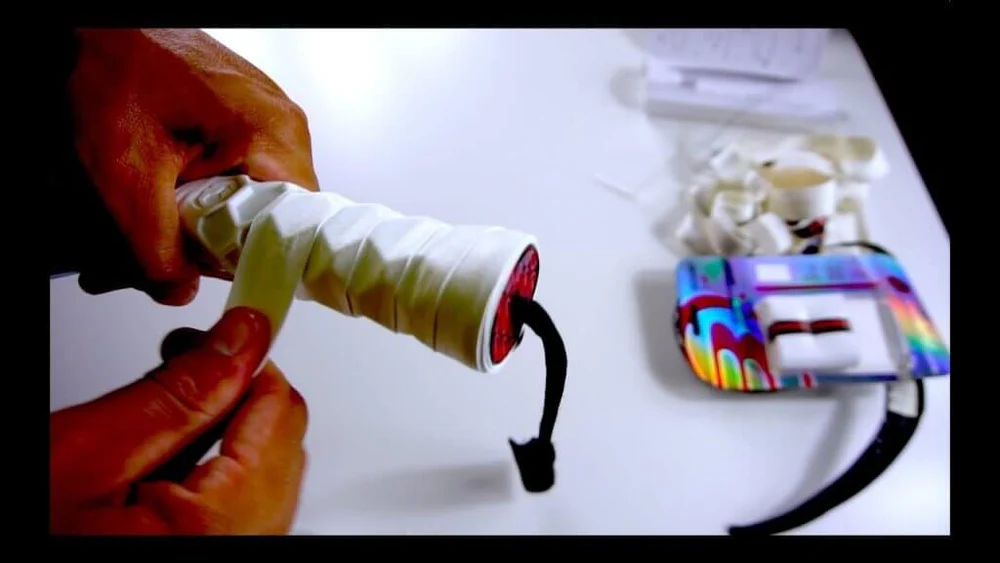
Hesacore is a special structure that:
- is fitted directly onto the racket handle
- gives a firmer hold
- reduces vibrations
- increases the thickness of the handle
Important: Hesacore is NOT fitted over another grip, but directly onto the racket handle.
Who it suits
- beginners and intermediate players
- players with elbow or forearm problems
- players who need more thickness
Usually 1 overgrip goes over the Hesacore, very rarely 2.
The reason we don’t often see it with professionals is simple: they want maximum feel and prefer grips that are as thin as possible.
Grip colour: why do professionals choose white?

Most professional players use white overgrips, and the reason is a technical one.
The grip material contains a tacky polymer, responsible for the sticky feel and for absorbing sweat.
- white grips contain no colour pigments
- the material stays more “open” and absorbs sweat better
- in coloured grips, the pigments can reduce the effectiveness of this substance over time
The downside of white grips
- they get dirty faster
But many players see this as an advantage: when the grip gets visibly dirty, it is the ideal time to change it anyway.
When should you change a grip or an overgrip?
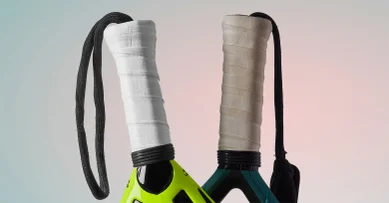
A grip should NOT be changed only when it slips completely.
Clear signs that it is time:
- it becomes shiny
- it gets dirty and soaked with dust (it feels unpleasant in your hand)
- it peels or wears out
- it starts to slip
How long a good grip should last (for amateurs)
From practical experience:
- 5 hours of play → a poor-quality grip
- 10–20 hours → a good grip
- 20–30 hours → possible if you use a padel glove
Solutions for excessive sweating

If your hands sweat a lot, standard grips can quickly become insufficient.
Sprays and gels
- can help in the short term
- limited effectiveness
- need frequent reapplication
Hesacore
- does not completely solve excessive sweating
- but makes up for the slipping sensation with a better hold
The padel glove – a surprisingly effective solution
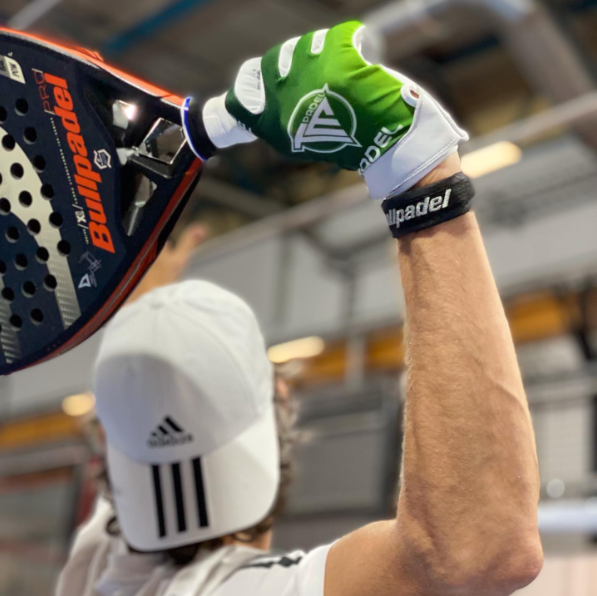
There are padel gloves that:
- are worn on the hand that holds the racket
- give constant grip
- protect the grip
From players’ experience: after months of testing sprays and Hesacore, the glove was the most effective solution. The grip no longer slips at all and no other accessories are needed, although it can feel awkward at first, until your hand gets used to it.
It is not a solution for professionals, but for amateur players it is extremely practical.
Conclusion: how do you choose the right grip for you?
There is no “perfect” grip for everyone. There is the right grip for you, depending on:
- level
- sweating
- hand anatomy
- how often you play
General recommendation:
- 1–2 well-fitted overgrips
- a white grip for better hold
- regular replacement
- dedicated solutions if you sweat a lot
A correctly chosen grip can improve your game more than a new racket.